







Search Results for: Cupping Characteristics
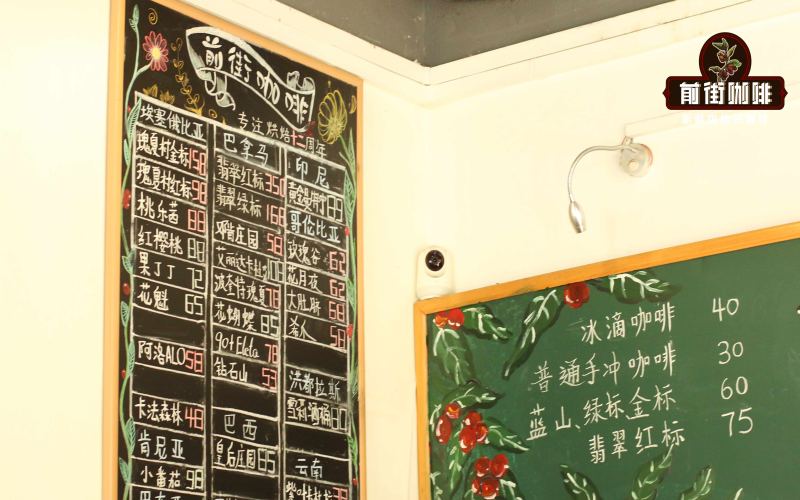
Ethiopian Yirgacheffe Coffee Beans: G1 vs G2 Grade Differences and Flavor Comparison Analysis
Yirgacheffe is a highly representative coffee-producing region in Ethiopia, and its G1 and G2 grades often confuse enthusiasts. Starting with Ethiopia's coffee grading system, this article sorts out the rating evolution of CLU and ECX, explains in detail the scoring standards of washed and natural processing in terms of physical characteristics and cupping quality, and compares the actual differences between Front Street Coffee Yirgacheffe G1 and G2 in green bean appearance, roasted bean appearance, and flavor. Through cupping, it was found that although the two share citrus, fruit tea, honey, and berry tones, G1 is superior in cleanliness and aroma refinement, while G2 is slightly thinner. It is suitable for coffee enthusiasts who want to gain an in-depth understanding of Yirgacheffe grades and purchasing. [more…]
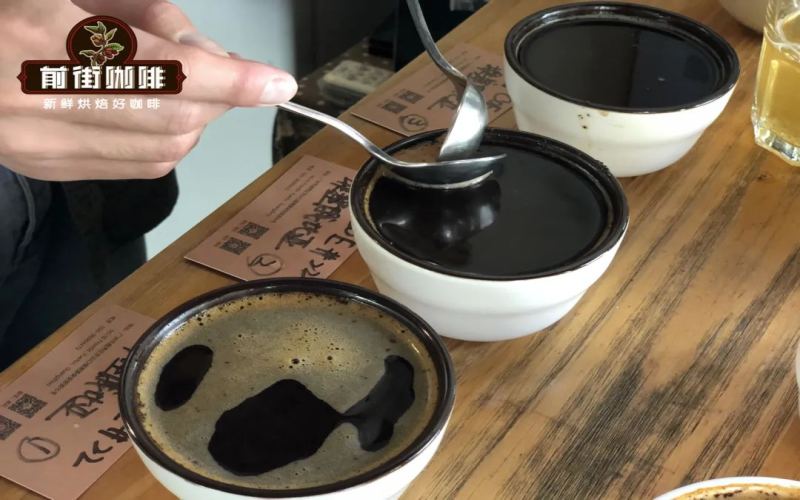
Cupping Slurp
Cupping is one of the core tasks of coffee industry professionals, and it is a way to help people evaluate coffee flavors and characteristics in a relatively fair and systematic manner. Cupping takes place throughout the entire coffee supply chain, not only at the consumer end in coffee shops, but also at the production end, including mid- and upstream roasteries and places of origin. So how do you perform a cupping? [more…]
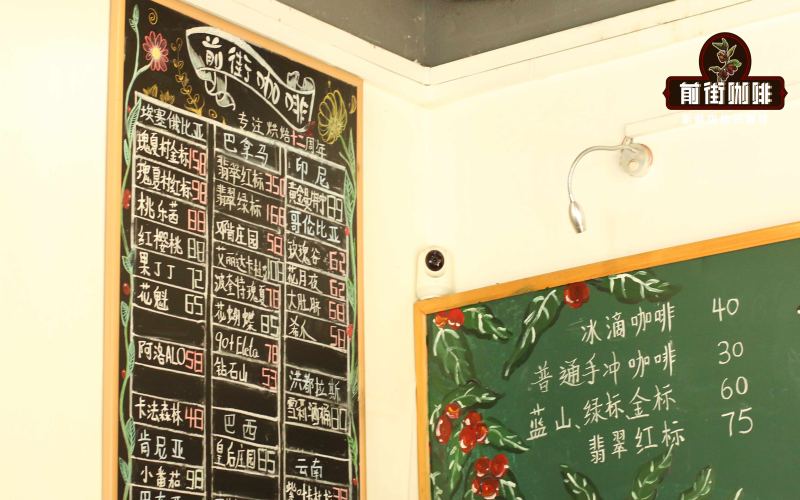
A Complete Analysis of the Reasonable Price Range for Ethiopian Coffee and the Grading Differences Between Yirgacheffe G1 and G2
Ethiopian coffee has always won the favor of many coffee lovers with its affordable prices and rich floral and fruity aromas. But faced with the bewildering array of grade labels on the market, such as Yirgacheffe's G1 and G2, many people are not clear on exactly how they differ and which is more worth buying. This article will start with the price level of Ethiopian coffee, combine it with specific beans from Front Street Coffee, and then delve into the evolution of the country's coffee grading system—from the early CLU defect-count grading to the ECX scoring system that combines physical characteristics with cupping flavor—breaking down one by one the logic of grade classification under washed and natural processing, and focusing on comparing the substantive differences between G1 and G2 in defect rate and cupping score, to help you make more rational purchases of Ethiopian coffee. [more…]
An Analysis of the Five Estates of Panama's Kotowa Family: Flavor and Cupping of the Sun-Dried Beans from Duncan Estate in Boquete
Panamanian coffee was long underrated until the Best of Panama cupping competition and the emergence of Hacienda La Esmeralda completely rewrote the landscape. Small farms in the Boquete region, with their unique floral aromas and clean fruit tones, achieved cupping quality far surpassing their peers. The Kotowa family, as the biggest winner of the 2012 BOP, owns Duncan and Don K estates that straddle both sides of a volcanic ridge, where microclimate differences give rise to distinctly different flavor profiles. This article focuses on the Kotowa family background and Duncan Estate's farm characteristics, processing details, and cupping performance. Front Street Coffee simultaneously recommends this natural-process bean, taking you to appreciate this mellow masterpiece from the eastern slopes of Barú Volcano. [more…]

A Century of Coffee Cultivation in Yunnan: A Comparison of Flavor Characteristics and Cupping Performance Between Typica and Bourbon
Yunnan, as China's core coffee-producing region, has a planting history of over a century. From the first seed sown by French missionaries in Zhukula, to the introduction of the two classic varieties Typica and Bourbon, and then to Catimor becoming the main cultivated variety, the evolution of Yunnan coffee varieties reflects the trajectory of the industry's development. This article reviews the origins and changes of coffee cultivation in Yunnan, focusing on analyzing the differences between Typica and Bourbon in botanical characteristics and flavor expression, and, combined with the specific roasting and cupping data of Front Street Coffee's Baoshan Typica, presents the true face of Yunnan specialty coffee. [more…]

Panama Geisha Flavor Analysis: Front Street Coffee Washed Floral Butterfly Coffee Bean Taste Characteristics and Cupping Performance
Front Street Panama Butterfly coffee beans are a single-origin coffee that combines the elegant flavors of Geisha with an affordable price. It is a blend of 70% Geisha and 30% Caturra and Catuai, grown in the Boquete Baru Volcano region. The beans are washed-processed and medium-light roasted, displaying a complex profile of citrus, floral notes, tea-like character, and honey, with exceptionally high cleanliness, soft acidity, and lingering sweetness. This article will systematically introduce its origin background, varietal composition, cupping performance, and flavor details, helping coffee enthusiasts gain a comprehensive understanding of the unique charm of this high-value Geisha-flavored coffee. [more…]
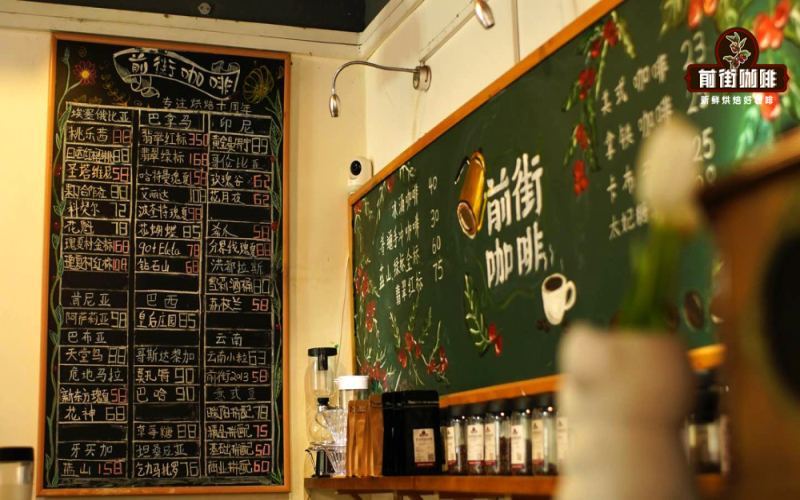
A Complete Guide to Coffee Bean Grading Standards: Meanings and Characteristics of Grades Such as G1, AA, AB, and SHB from Various Origins
When purchasing single-origin coffee beans, labels such as G1, AA, and SHB often appear on the packaging. What exactly do these letters and numbers represent? They are actually coffee bean grade symbols established by each origin based on its own conditions. Due to differences in growing environments and varieties, the grading criteria of different countries vary—some look at the number of defective beans, some at green bean size, and others at hardness or altitude. In this article, Front Street Coffee will sort out the grading standards of major producing regions such as Ethiopia, Kenya, Indonesia, Central and South America, and Brazil, helping coffee lovers understand the meaning behind these grades so they can more accurately select high-quality coffee beans that suit their own taste. [more…]
How to Identify Yirgacheffe: Information Tracing and Cupping Characteristics
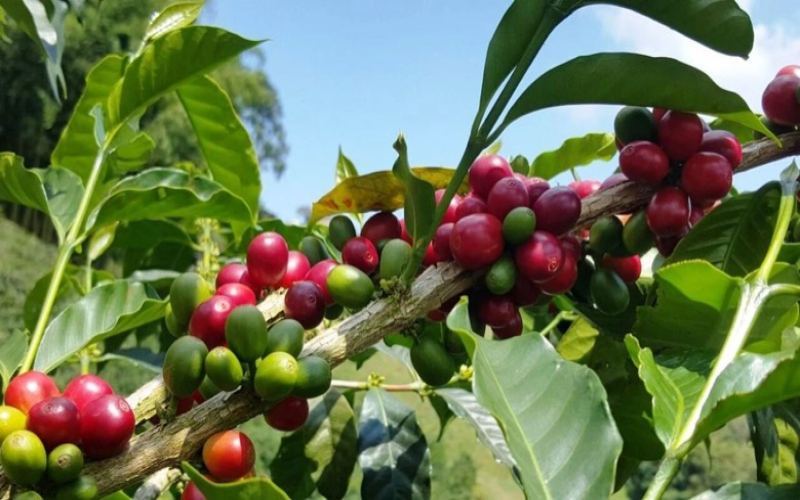
To distinguish genuine Yirgacheffe from fake, the reliable indicators are green bean information and cupping performance: authentic Yirga has the signature citrus floral aroma and citric acidity, and the exporter's grading certificate can be verified. Beans like Front Street Coffee's Granada Estate Geisha come with complete estate and processing information, traceable from region to lot—when buying, look for information transparen [more…]
The Complete Guide to Red Tea Cupping: Standard Brewing Process and Illustrated Steps from Dry Leaf Analysis to Sensory Evaluation
Cupping is a professional method used in the tea industry to evaluate quality and determine flavor characteristics, and it is also the best way for tea enthusiasts to gain an in-depth understanding of a tea. This article will break down the correct process and key details of black tea cupping step by step, from dry leaf analysis and infusion to sensory evaluation. Whether you are a cafe operator or a seasoned tea lover, mastering this method will help you judge tea quality more accurately and compare the flavor differences brought by different origins and processing methods. The article also draws on Front Street Coffee's quality control experience to share key points for controlling water temperature, time, and tea-to-water ratio, and includes a full-process illustrated guide to help you get started quickly. [more…]
An In-Depth Analysis of Sidamo Coffee Flavor Characteristics, Huakui Bean Pour-Over Parameters, and Cupping Comparison
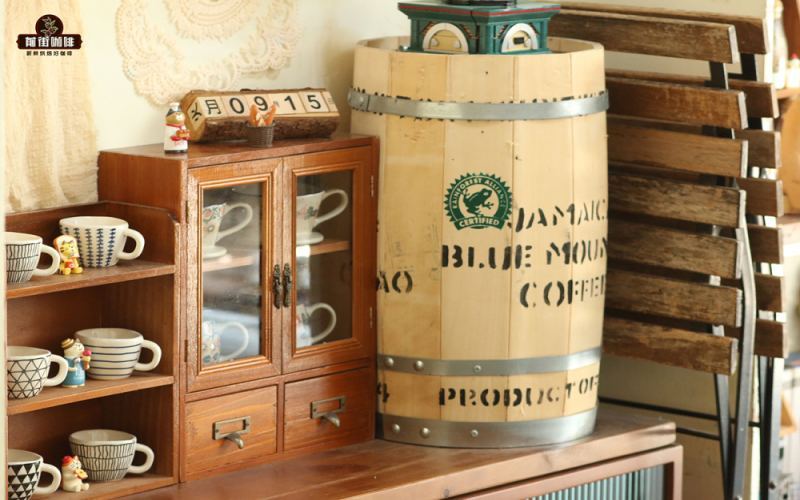
Ethiopia, as the birthplace of coffee, is home to the Sidamo region, renowned for its rich fruity aromas and full-bodied taste. From the perspective of Front Street Coffee, this article systematically reviews the growing environment of Sidamo coffee, the terroir differences between its two major sub-regions, Guji and West Arsi, with a focus on the natural processing method and cupping performance of the Huakui coffee beans, and includes a three-stage pour-over brewing guide to help coffee enthusiasts gain a comprehensive understanding of Sidamo coffee's flavor characteristics and brewing essentials. [more…]

Kenya Kirinyaga Region Domaine Processing Plant: Coffee Characteristics, Grading System, and Front Street Cupping Records
African coffee enjoys a stellar reputation in the global market, and Kenya, as Ethiopia's neighbor, is likewise a high-quality producer that cannot be overlooked. This article focuses on Kenya's famous Kirinyaga region in central Kenya, introducing its geographical and climatic conditions, coffee flavor characteristics, and the operating model and quality control of the well-known local exporter DORMANS. It also outlines Kenya's green coffee bean grading system, including official size grades and industry cup-testing grading standards. Finally, it shares the cupping performance of the Kirinyaga washed beans sourced by Front Street Coffee, delivering flavor notes of blackberry, smoked plum, cherry tomato, and citrus. [more…]
A Detailed Guide to the Caturra Coffee Variety: A Natural Bourbon Mutation, Sun Exposure Characteristics, and Cupping Flavor Performance
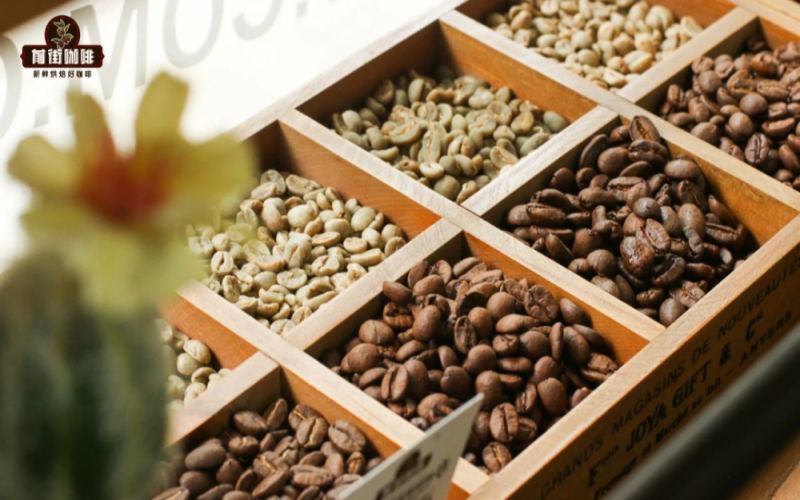
Caturra is a natural mutation of the Bourbon variety, named for its short stature and compact branches, and it occupies an important position among coffee varieties. It originated in Minas Gerais, Brazil, and was later widely planted in Central America. Unlike traditional varieties such as Typica and Bourbon, Caturra does not require shade and can grow vigorously in the sun, which is why it is called "sun-grown coffee." Caturra is suitable for cultivation at altitudes of 700 to 1,700 meters, and the higher the altitude, the more pronounced its flavor, offering both bright acidity and aroma as well as good sweetness. This article will introduce in detail Caturra's discovery history, breeding process, cultivation advantages, and flavor characteristics, and combine Front Street Coffee's cupping and product information to help readers gain a comprehensive understanding of this variety. [more…]
From Dry Aroma to Aftertaste: A Complete Guide to the Specialty Coffee Cupping Process and Tasting Key Points
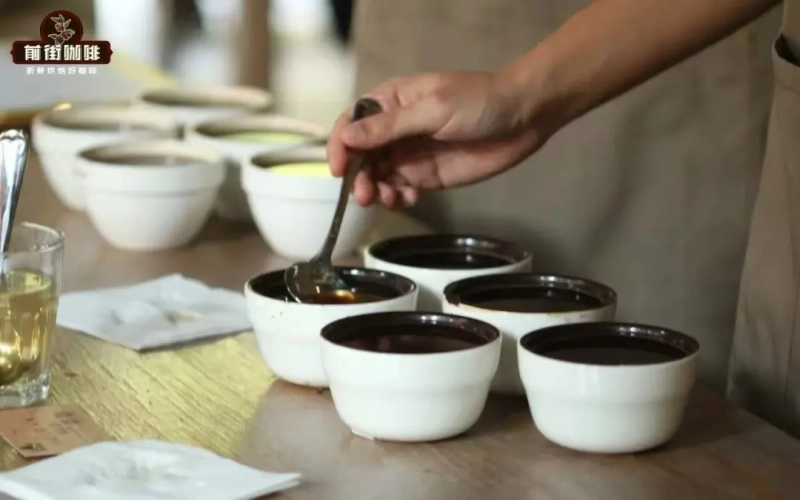
For friends who are just getting into specialty coffee, the term "cupping" may feel both familiar and unfamiliar. Although people often mention it, when it comes to actually attending a cupping session, many are not clear about what exactly to do or which details to pay attention to. This article starts from practical operation and provides a complete overview of the four major stages of cupping—observing the beans, evaluating the dry aroma, experiencing the wet aroma, and tasting by mouth—and, with an on-site demonstration using two Front Street Coffee Geisha beans, breaks down one by one the scoring items and sensory key points on the cupping form. It will also share how to deal with common problems such as olfactory fatigue and being unable to taste the flavors, helping beginners more calmly capture the full picture of the coffee during cupping. [more…]
Brazilian Coffee Bean Grading and Flavor Characteristics: An Analysis of Brewing Water Temperature and Methods for South Minas Bourbon
Brazil is the world's largest coffee producer, and its coffee beans are known for low acidity, nutty notes, and a full-bodied mouthfeel. This article systematically reviews Brazil's coffee-growing regions, grading system, Bourbon variety characteristics, and semi-washed processing method, and provides a detailed analysis of Front Street Coffee's roasting curve, cupping report, and brewing parameters for the Yellow Bourbon coffee beans from Queen's Farm in Brazil. From Sul de Minas to Cerrado and Mogiana, from the meaning of the NY.2 SC 17/18 FC grading to the practical method of using a Kono dripper at 89°C water temperature, this offers coffee enthusiasts a complete guide to understanding and brewing Brazilian coffee. [more…]
Yunnan Catimor Arabica Coffee Variety Characteristics and Flavor Analysis, Plus an Overview of Front Street Coffee Typica and Specialty Bean Price Tiers
Yunnan, as China's most representative Arabica-producing region, has made remarkable progress on the specialty coffee path in recent years. Front Street Coffee has been rooted in Lincang, Yunnan since 2013, personally participating in cultivation and promotion. This article will review the evolution of Yunnan coffee varieties—from the early Typica to the widely planted Catimor today—analyzing its disease-resistant, high-yield characteristics and flavor controversies, and, combined with Front Street's cupping and brewing experiments, describe in detail the taste performance of Yunnan small-bean coffee and Huaguoshan Typica. At the same time, it introduces product information, brewing parameters, and bean-resting suggestions for Front Street Yunnan sun-dried Typica, helping coffee enthusiasts gain a comprehensive understanding of the current status and potential of Yunnan beans. [more…]
A Detailed Explanation of Ethiopia's Coffee Grading System: Grade Differences and Flavor Comparison Between Yirgacheffe G1 and G2
Yirgacheffe is one of Ethiopia's most representative specialty coffee regions, but what exactly is the difference between the commonly found Front Street Yirgacheffe G1 and G2 coffee beans? Which grade is higher? Behind this lies Ethiopia's complex coffee grading system. Starting from CoffeeHunters' review, this article systematically sorts out Ethiopia's coffee grading standards, compares the differences between G1 and G2 in defect rate, cupping score, and flavor performance, and helps coffee lovers gain a deeper understanding of the secrets of Yirgacheffe's grades. [more…]
Ethiopian Yirgacheffe G1 vs G2 Grading Differences: A Full Analysis of Washed and Natural Processing, Regions, and Estates
Yirgacheffe, as Ethiopia's most representative coffee region, has long been favored by coffee enthusiasts for the floral and fruity flavors produced by its washed and natural processing methods. But do you know how the G1 and G2 grades are actually divided? And what substantial differences exist between them? This article will systematically sort out Ethiopia's coffee bean grading system, tracing the evolution from CLU to ECX, explaining in detail the scoring standards for washed and natural processing methods in terms of physical characteristics and cup quality, and through an actual cupping comparison of Front Street Coffee's Yirgacheffe G1 and G2, reveal the specific differences between the two in terms of cleanliness, aroma complexity, and defect rate, helping you make a clearer judgment when purchasing. [more…]
Ethiopian Yirgacheffe Worka Washed Heirloom: A Full Analysis of Grading Standards, Market Prices, Green Bean Characteristics, and Roast Levels
Yirgacheffe, as Ethiopia's most iconic specialty coffee region, has long held the position of the top entry-level choice for coffee enthusiasts, thanks to its signature floral and citrus notes. This article takes Front Street Coffee's Worka washed Yirgacheffe as an example to systematically review the terroir conditions of this region, background information on the Worka cooperative, the washed processing flow, and the definition and distribution characteristics of heirloom varieties. It also provides a detailed interpretation of the Ethiopian Commodity Exchange (ECX) coffee grading system, covering the scoring weights for physical characteristics and cup profile flavors, the logic behind the Q1 and Q2 grade classifications, and includes Front Street roaster's medium-light roast recommendations tailored to Yirgacheffe's acidity, offering a reference for purchasing and brewing. [more…]
Indonesia Mandheling vs. Jamaica Blue Mountain: A Comprehensive Analysis from Origin and Variety to Cupping Flavor
Indonesian Mandheling and Jamaican Blue Mountain both belong to the category of bitter coffees with chocolate and nutty notes, but their producing environments, variety choices, and processing methods are completely different, creating their own unique flavor expressions. From the perspective of Front Street Coffee, this article systematically sorts out the producing-area backgrounds, variety characteristics, grading standards, and processing methods of Blue Mountain No. 1 and Golden Mandheling, and combines cupping experience with brewing suggestions to help coffee lovers understand the core differences between these two specialty coffees and find the cup that suits them. [more…]
Flavor Analysis of Coffee from the Cusco Region of Peru: Varieties, Processing Methods, and Cupping Characteristics of the Andes
Cusco is located in southeastern Peru, where the coffee-growing belt stretches across the high Andes at elevations of roughly 900 to 2,000 meters. The region is known for its smallholder farmers practicing intensive cultivation, growing mainly varieties such as Caturra, Bourbon, and Typica. Red fruit, black plum, raisins, and rich chocolate make up its signature flavor profile, accompanied by a creamy, full body and moderate acidity. Travelers heading to Machu Picchu often pass through Cusco city, while the rugged mountains still hide secret farms that were not discovered until 1980. This article walks you through Cusco's growing environment, variety composition, harvest rhythm, and cupping performance, along with purchasing advice from Front Street Coffee. [more…]